Cessna Nose Gear Strut Assembly: Aircraft Landing Gear Support and Shock Absorption
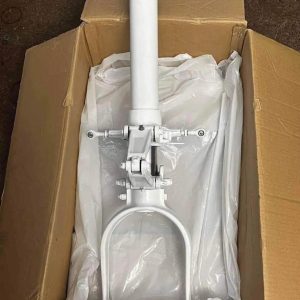
The Cessna Nose Gear Strut Assembly may serve as a replacement, overhaul, restoration, maintenance, or spare-inventory component when its exact part number, configuration, condition, and applicability are confirmed.
A Cessna Nose Landing Gear Strut may form part of a broader Cessna Nose Gear Assembly, while the phrase Cessna Landing Gear Strut can describe different positions or configurations depending on the aircraft model.
Clear descriptions help buyers determine whether the listing includes a complete assembly, partial strut, housing, piston, fork, or related hardware.
The Cessna Landing Gear Assembly functions as a coordinated system, while the Aircraft Landing Gear Strut should not be evaluated separately from its mounts, steering, wheel, tire, and surrounding structure.
The Cessna Steering Strut Assembly, Cessna Replacement Nose Gear, and General Aviation Landing Gear Parts keywords describe commercially relevant searches for maintenance and restoration projects.
Reviewing the Cessna Front Gear Configuration
The assembly should be identified through its Cessna part number, casting or forging numbers, serial markings, aircraft applicability, dimensions, configuration, photographs, maintenance records, and available illustrated-parts information.
Included items may vary and can involve the strut body, piston, fork, axle, torque links, steering collar, seals, bearings, spacers, hardware, wheel, or tire.
How the Nose Gear Supports the Airframe
Actual load distribution depends on aircraft weight, center of gravity, tire pressure, landing technique, surface condition, and aircraft configuration.
A replacement strut cannot correct damaged airframe attachment points or distorted landing-gear geometry by itself.
Managing Landing and Taxi Impacts
Proper operation depends on correct servicing, internal condition, seal integrity, surface finish, alignment, and absence of contamination.
Qualified maintenance supports proper Cessna Nose Gear Shock Absorber operation.
Understanding the Cessna Steering Strut Assembly
The steering system should be evaluated as a complete arrangement rather than through the strut alone.
Towing procedures should respect the aircraft’s steering limitations.
Avoiding Universal Cessna Fitment Claims
The buyer should compare the offered unit with current illustrated-parts, maintenance, and installation information.
Qualified applicability research supports responsible Cessna Replacement Nose Gear selection.
Cylinder, Piston, and Sliding-Surface Inspection
Sliding and sealing surfaces must remain within acceptable condition because defects can damage seals and contribute to leakage or sticking.
The piston should move through the permitted range without binding, roughness, excessive side play, or abnormal resistance.
Evaluating Hydraulic Fluid Loss
The strut should be inspected after cleaning and appropriate servicing to determine whether leakage returns.
Professional service supports reliable shock absorption and reduced maintenance recurrence.
Corrosion and Environmental Exposure
Pitting depth, location, and remaining material can influence repairability or replacement decisions.
Responsible preservation helps maintain the Cessna Nose Gear Assembly.
Determining the Need for Nondestructive Testing
High-stress areas can include click here attachment points, fork transitions, axle regions, steering features, torque-link mounts, and previous repair locations.
Transparent impact history supports informed Cessna Front Landing Gear Assembly purchasing.
Evaluating Fork Alignment and Axle Condition
Fork alignment influences wheel tracking, steering response, tire wear, and clearance around fairings or nearby components.
Incorrect wheel spacing or fork alignment can create uneven loading and interference.
Inspecting Landing Gear Articulation Components
Tightening hardware alone may not correct worn bushings or elongated holes.
Recurring shimmy should prompt inspection of the entire nose gear, wheel, tire, steering, balance, and attachment system.
Evaluating Wheel Alignment and Steering Play
Accurate diagnosis reduces unnecessary parts replacement.
Tire condition should be reviewed together with the strut, wheel, fork, axle, and steering components.
Checking Extension After Servicing
Shock-strut servicing should follow the exact aircraft maintenance procedure for fluid type, quantity, pressure, extension, loading condition, and safety precautions.
The aircraft should be positioned and supported safely before servicing or disassembling the nose gear.
Overhaul and Reconditioning Considerations
Parts replaced, measurements taken, defects found, and repairs completed should be documented.
Complete records strengthen the commercial value of the Cessna Replacement Nose Gear.
Aircraft Nose Gear Buying Guide
The seller should provide photographs of every side, including the cylinder, piston, fork, axle, torque links, steering features, mounts, hardware, identification markings, and damaged areas.
- Request detailed photographs of the cylinder, piston, chrome surface, fork, axle, mounting areas, torque links, steering collar, bushings, seals, data markings, and included components.
- Confirm total time when known, removal reason, donor aircraft, overhaul history, servicing status, seal replacement, and inspection results.
- Inspect and photograph the assembly immediately after delivery before cleaning, servicing, disassembling, repairing, painting, or installing it.
Aircraft Component Crating Requirements
Professional packaging helps preserve the condition of the Aircraft Nose Gear Strut.
The receiver should inspect the crate for impact, puncture, water exposure, or shifting before opening.
Protecting the Cessna Nose Strut
The assembly should not rest directly on delicate fittings, the axle threads, polished surfaces, or unstable supports.
Identification records, inspection tags, hardware, seals, and supporting documents should remain associated with the correct assembly.
Professional Installation of the Nose Gear Strut
Professional installation protects the aircraft and Cessna Nose Gear Strut Assembly.
Hoses, wiring, fairings, controls, and nearby components should maintain suitable clearance through the steering and compression ranges.
Taxi checks should begin conservatively and should monitor shimmy, pulling, vibration, abnormal noise, leakage, and steering behavior.
Reducing Landing Gear Wear
Consistent care supports dependable Cessna Nose Landing Gear Strut operation.
Preventive care protects the aircraft, occupants, and landing-gear components.
Choosing a Documented Aviation Component
Honest product information strengthens buyer confidence and reduces disputes.
Commercial evaluation should focus on verified suitability rather than promotional claims.
Selecting General Aviation Landing Gear Parts
When thoroughly evaluated and correctly installed, the Cessna Nose Gear Strut Assembly can become a valuable component within the aircraft’s complete landing-gear system.
The strongest purchasing decision begins with confirming the exact Cessna part number, dash number, aircraft model, serial-range applicability, strut configuration, dimensions, mounting points, steering system, fork, axle, bushings, seals, corrosion status, repair history, and documentation.
Whether the product is described as a Cessna Nose Gear Shock Absorber, Cessna Landing Gear Assembly, Aircraft Landing Gear Strut, or Cessna Nose Wheel Strut, aircraft-specific compatibility remains essential.
With complete evaluation and continued care, the Cessna Nose Gear Strut Assembly can deliver a professional combination of structural support, shock absorption, steering stability, replacement value, and general aviation application potential.